
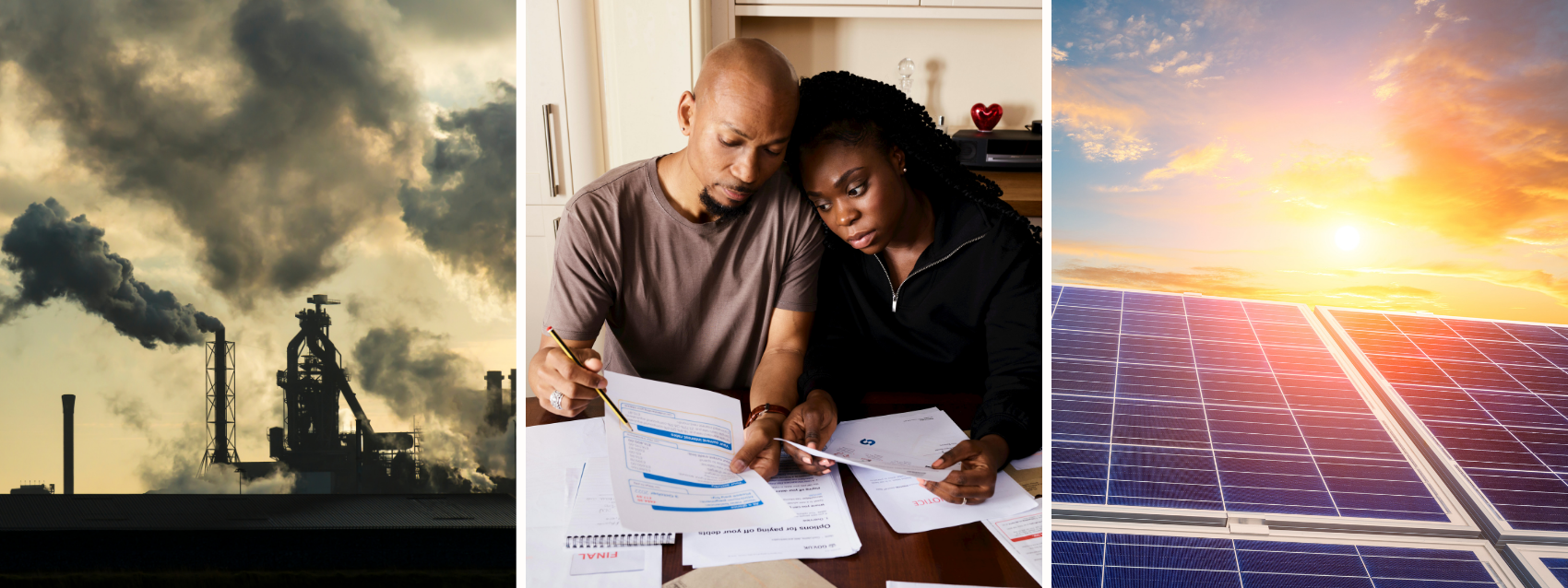
Pennsylvania's Energy Prices Are Rising Fast — and PA Residents Are Paying the Price
Pennsylvania is in an energy crisis. Across the Commonwealth, people are feeling the impacts every day in rising home energy costs and decreased reliability.
Pennsylvanians are paying more every month for the electricity they depend on, while state leaders continue to delay urgently needed reforms. The result of political paralysis in Harrisburg is that working families are being squeezed harder—not only by their electric bills, but by the ripple effects that raise the price of everything from groceries to housing. And prices will only continue to rise unless the crisis is effectively addressed.
We must be clear-eyed about how we got here. This crisis is caused by:
- Chronic overreliance on fracked gas and other dirty fossil fuels;
- Failure to prepare for the inevitable retirement of coal plants, despite years of notice;
- A powerful fossil fuel industry that bought and paid for state policies that favor coal, oil, and gas.
- A grid operator that prioritized costly fossil fuel projects over less expensive clean energy projects and has responded to energy demands with severe price increases on ratepayers.
Pennsylvania’s outdated pro-fossil fuel policy is not only hitting people’s wallets. Pennsylvania is also losing out on the next generation of energy infrastructure—from solar and storage to transmission—to neighboring states. Even large fossil-fuel-producing states like Texas are successfully adding renewable energy to the mix and seeing costs go down. Overreliance on fossil fuels is having other devastating consequences too - in recent cold weather events, over 70 percent of Pennsylvania’s gas plants were not able to run as expected, causing grid instability and significant price increases (NRDC, 2023).
This is a pivotal moment. Despite what oil and gas CEOs and their allies say, more fracked gas, increased pipeline infrastructure, and leaving the Regional Greenhouse Gas Initiative are not solutions.
Pennsylvania can either cling to a fossil fuel-dominated past that is growing more expensive and less reliable—or chart a bold new path that prioritizes tested, affordable clean energy solutions that put residents first, protect working families from skyrocketing energy bills, and build a more affordable future for everyone.
The clean energy economy is not a threat. It’s an opportunity—for jobs, investment, lower costs, and healthier communities.
The time to act is now.
A Tiered Response to Pennsylvania's Energy Crisis: Immediate, Short-Term, and Long-Term Consumer Cost Solutions
The path forward isn’t hypothetical—Pennsylvania can act now to protect households. Below is a common-sense agenda prioritizing affordability and reliability through smart, consumer-focused policies.
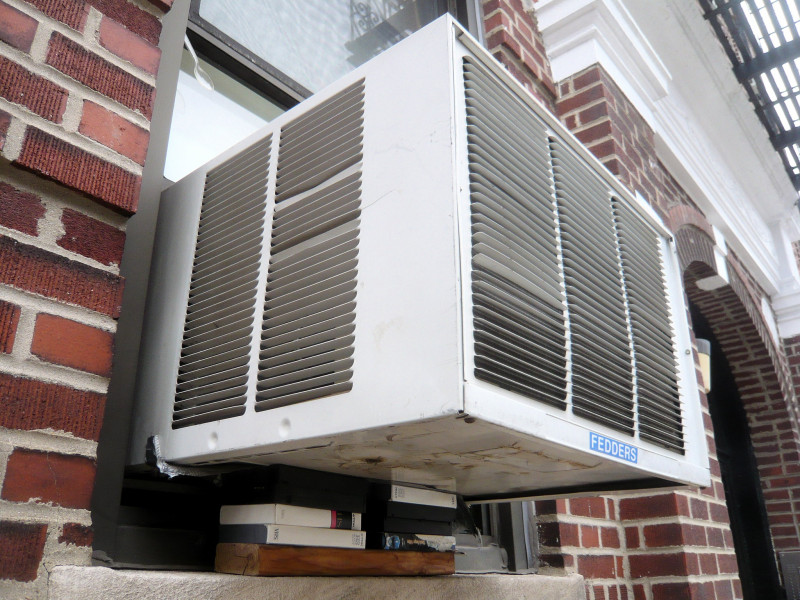
Energy Affordability Agenda. Photo by jasoneppink.
Immediate Solutions: Relief for 2026
- Implement a summer moratorium on utility shutoffs - mirroring the winter moratorium on utility shutoffs - to ensure access to electricity during the hottest months and reduce costly fees for homeowners, renters, and small businesses.
- Reform the Pennsylvania Department of Community and Economic Development’s Energy Program to align with a transition to a diversified, balanced, and sustainable energy economy.
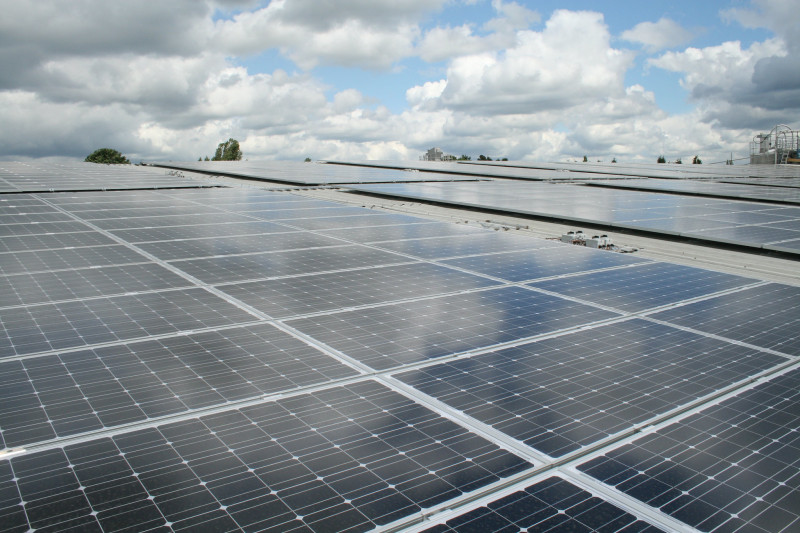
Short-Term Solutions: Market Rebalancing Over the Next 1 – 5 Years
- Advance HB 1260 to add critical gigawatts of renewable energy to the grid through solar-accessible rooftop development for warehouses.
- Require large load users to publicly report electricity usage, water withdrawals, pollution, siting impacts, and ratepayer consequences while imposing penalties for those who fail to comply.
- Pass the “Clean Infrastructure Siting and Speed Act” to establish fast-track permitting, with clear environmental safeguards, for new renewable energy production, storage, and transmission.
- Ensure that the Public Utility Commission proceedings—such as public hearings, formal complaints, and rulemaking on utility issues like rate hikes, service quality, or infrastructure—prioritize affordability, sustainability, and a balanced energy portfolio.
- Prevent special rates and subsidies for large energy load users like data centers that would raise bills for households and small businesses. Require load management or battery support for large loads during peak demand events such as summer heatwaves and winter cold snaps.
- Incentivize upgrades at existing gas plant sites, including weatherization and co-location with renewables, allowing existing sites to generate more energy through increased efficiency.
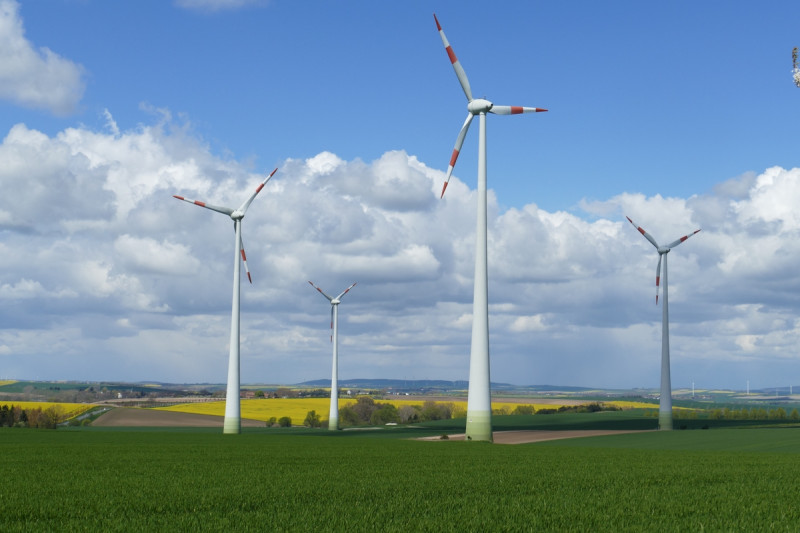
Long-Term Solutions: Structural Reform for Reliability and Affordability
- Update and diversify Pennsylvania’s “Alternative Energy Portfolio Standards” to increase renewable energy sources from 4% to 35% Pennsylvania’s energy portfolio by 2035, increase energy production, and reduce price volatility.
- Pass the Grid Storage & Battery Stewardship Act to create incentives for battery storage deployment while establishing producer responsibility for recycling and safe end-of-life disposal.
Endorse the Energy Affordability Agenda
Passing these priorities will be a huge step forward in addressing our out-of-control electric bills. Add your name to endorse our Energy Affordability Agenda today and show state leaders that there's widespread support for change.